The conversations surrounding women’s health are changing, and according to the experts at this year’s Soirée Women’s Leadership Symposium, that’s a good thing.
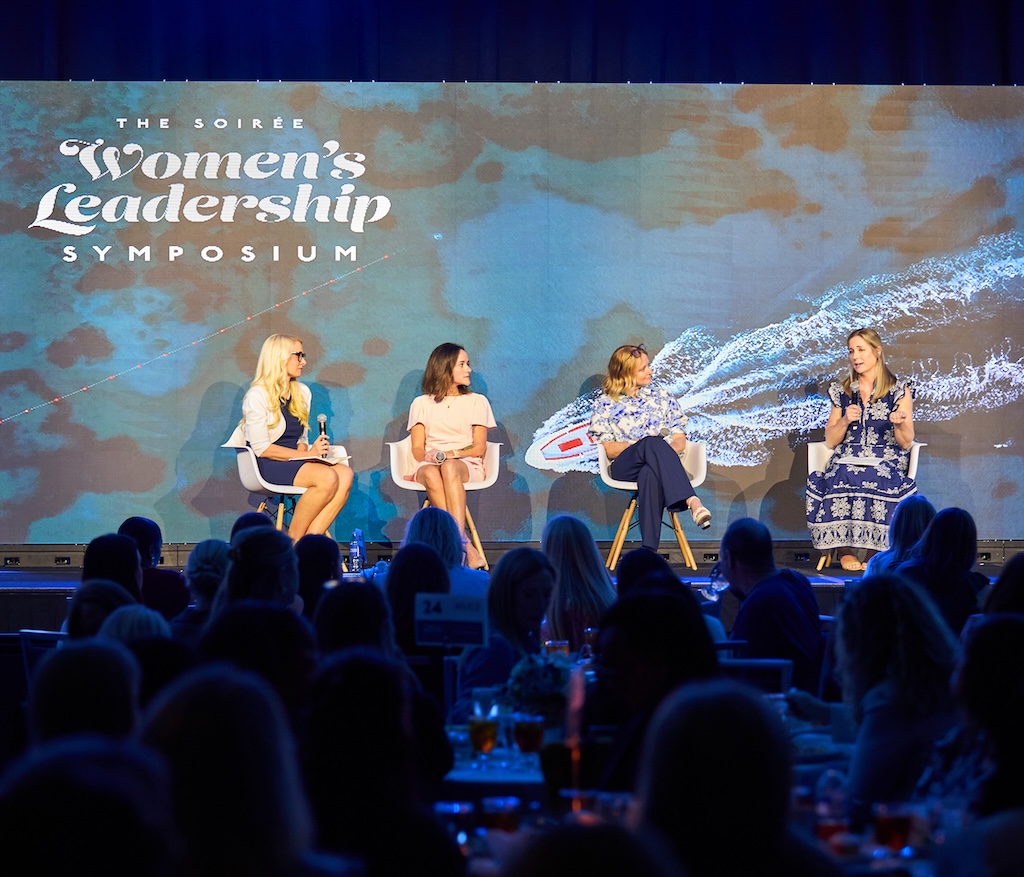
During the Women’s Wellness Panel sponsored by Baptist Health, moderator Dr. Amanda Novack was joined by Leslie McCormack of Perspective Health, Julia Turner of Baptist Health and Alyssa Frisby of UAMS Health for a discussion on everything from hormones and preventative screenings to nutrition and longevity.
Together, they encouraged attendees to ask questions, seek individualized care and embrace the idea that women’s health is never one-size-fits-all.
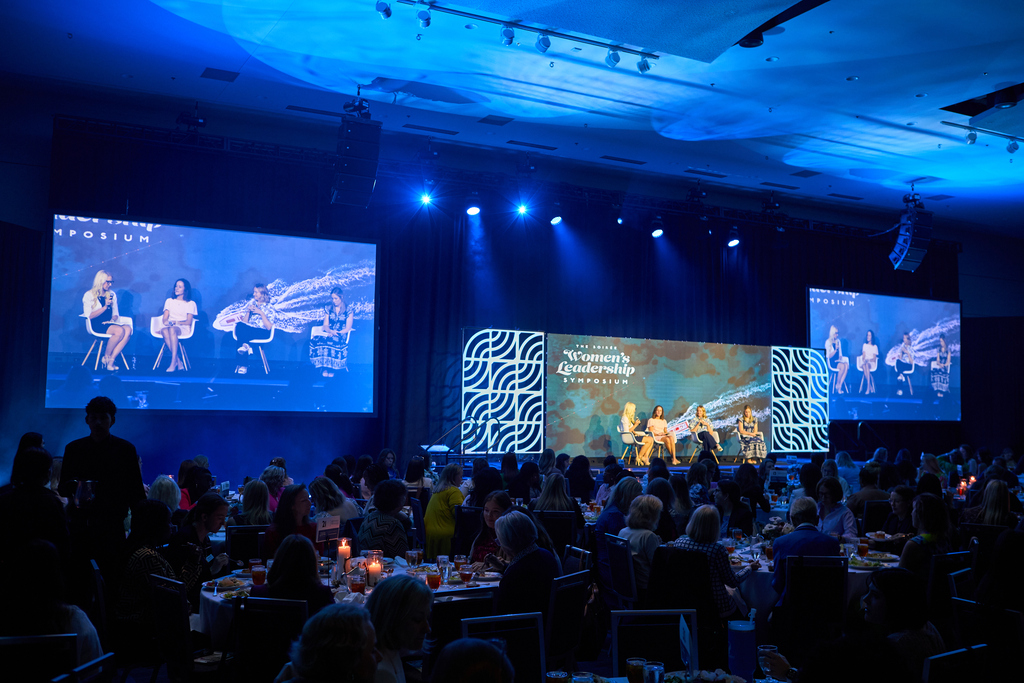
McCormack opened the conversation by tackling a topic that has only recently begun receiving the attention it deserves: perimenopause.
Although symptoms can vary widely, she explained they often extend far beyond hot flashes.
Changes in mood, memory, sleep, anxiety, heart palpitations, joint pain and brain fog can all be signs that hormones deserve a closer look.
“I want to preface that not every symptom is perimenopause,” she said. “However, perimenopause should be considered with every symptom.”
She encouraged women to find providers who take the time to understand their individual experiences rather than relying on a standard treatment plan.
“Hormone health is not one-size-fits-all,” she said. “It is individual-based.”
McCormack also addressed long-standing misconceptions surrounding hormone replacement therapy, explaining that newer research has reshaped the conversation around its benefits for many women when thoughtfully prescribed.
“We’ve spent 20 years proving that hormones not only are safe in most women, but they can increase life’s quality and longevity, helping to decrease the risk of Alzheimer’s, osteoporosis, sarcopenia and heart disease,” she said.
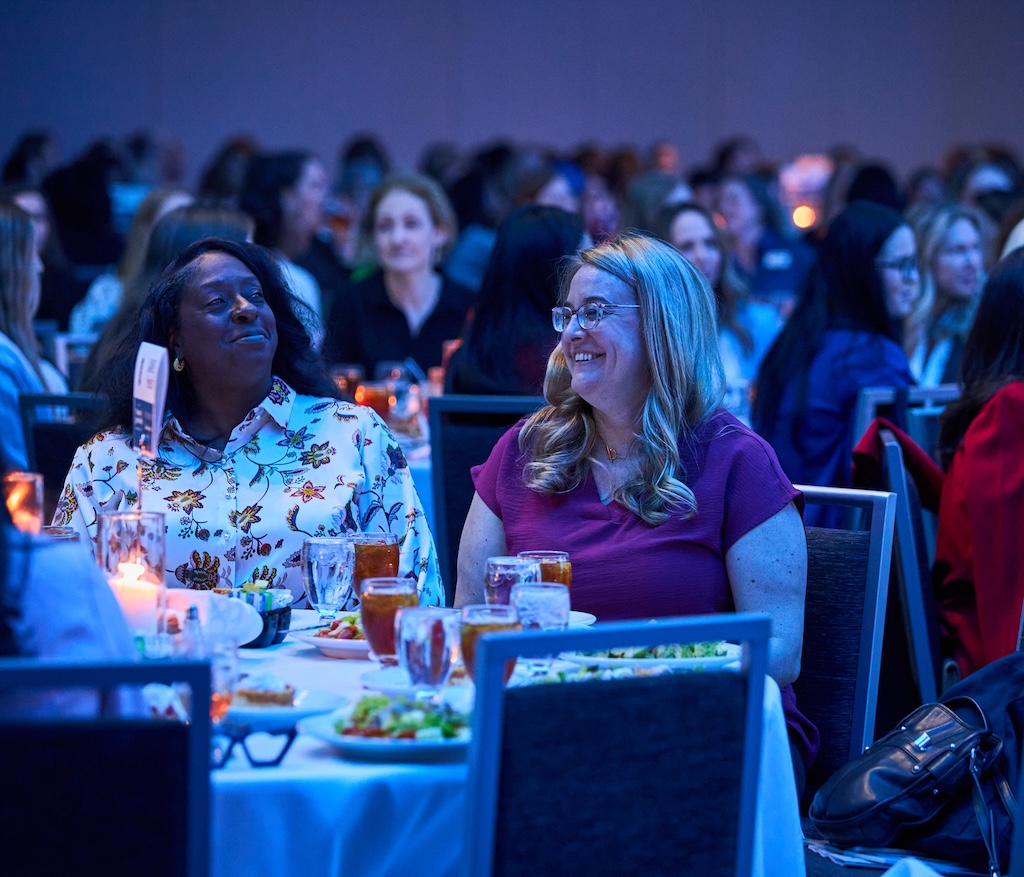
For Julia Turner, one of the greatest opportunities in women’s healthcare is helping patients better understand their personal risk factors before problems arise.
Whether discussing breast cancer screenings, genetic testing or family history, Turner emphasized that preventative care should be personalized rather than based solely on age.
“It really isn’t one-size-fits-all,” Turner said. “Age doesn’t matter to me. I see people in my office all the time in their 20s, 30s, 40s, 50s with cancer.”
She encouraged women to start conversations with their healthcare providers early, gather detailed family medical histories and advocate for screenings that match their individual risk profiles.
“If patients genuinely knew what their risks are,” Turner said, “they would advocate.”
Instead of waiting until symptoms appear, Turner encouraged women to be proactive by asking an important question during appointments:
“What do I need to do? What’s next for me?”
Registered dietitian Alyssa Frisby shifted the discussion toward the role everyday nutrition plays in long-term wellness.
Instead of focusing on restrictive diets or perfection, she encouraged attendees to make intentional choices that support energy, hormone health and disease prevention.
“For busy women, it can be that we’re under fueling throughout the day, and a lot of times that’s skipping breakfast, that’s waiting until lunch to eat, maybe midday relying on coffee to get us through the morning,” Frisby said. “And some of it’s intentional, but for the most part we’re just not thinking enough about the food that we’re going to get in.”
Simple habits such as eating enough protein and fiber, planning meals ahead of time and preparing a few reliable recipes each week can make healthy eating more realistic for busy schedules.
“It doesn’t have to be perfect,” Frisby said. “It’s just about being more intentional.”
She also reminded attendees that food should be both nourishing and enjoyable.
“You are only going to eat food if it tastes good consistently,” Frisby said. “You are only going to be able to cook better if you start cooking.”
Together, the panelists offered an encouraging reminder that caring for our health doesn’t begin with having all the answers. It begins by asking questions, understanding our individual needs and making intentional choices that support our well-being for years to come.
Up next: Speaker Lineup Announced for 2026 Jonesboro Women’s Leadership Summit

