
Writhing, screaming, violently rocking. A petulant alcoholic trapped underground in a partially collapsed mine, for whom withdrawal has become all-consuming.
In one of the most powerfully emotive moments in “The 33,” Juan Pablo Raba’s character, Dario Segovia, plays out the decomposition of hope that each of the Chilean miners buried in a resource-diminishing mine, 2,300 feet underground, faces with the passing of time.
With his role in this recently released film, Raba (already a megastar throughout Latin America for his lead roles in the telenovelas “Mi Gorda Bella” and “Los Caballeros Las Prefieren Brutas”) made no meek proclamation of his acting ability. Alongside huge stars like Antonio Banderas and Juliette Binoche, Raba’s performance foretells his ability as a distinguishably worldly actor. Though he is strikingly handsome, he is much more than just a pretty face; he is a true rising talent, and he has staked a claim on the turf of worldwide media.
Here, Soirée speaks with Raba on his entrée into this new sector of television and film, the shifting but still nascent presence of Latinos in global entertainment, and the role above all other roles: that of the family.
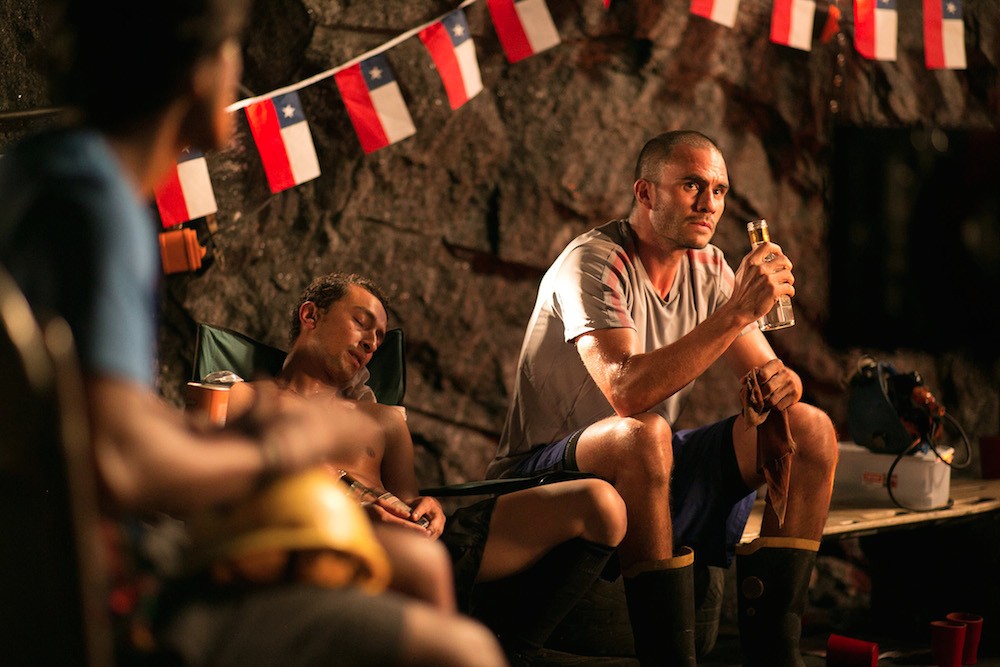
This past year has been an impactful entrance for you into English-language cinema and TV. What have been the greatest challenges in that? And the greatest rewards?
JPR: The biggest challenge for me has, and will always be, to keep a balance. It is such a passionate job, full of amazing and interesting characters, but at the end of the day it is just a job, and what really matters is your real life. So, considering 2015, a truly exceptional year full of great jobs and experiences, it also means that keeping a balance was all the more challenging. Being part of American productions is something I had always wanted since the beginning of my career, so it is a dream come true, so that is a huge reward. But nothing beats making your family and friends proud.
In “Narcos,” you portray this illustrious character, Gustavo Gaviria, whom we get to know as the serious, business-minded cousin and second hand man to infamous narcotics dealer Pablo Escobar. How did you first get involved in the project?
JPR: It was a regular audition. It was a little tricky with Gustavo because, despite the role being based on a real person, unlike Pablo, there is really not a lot of information on him. He flew under the radar and was against his cousin’s public appearances. It is a double-edged sword—it gives you a lot of freedom to work, but that same freedom can create a vague persona. We knew what Gustavo’s look was through some pictures, and on the acting side, I just focused on creating a character who could love, be loyal, and always tell the truth to Pablo. No matter what.
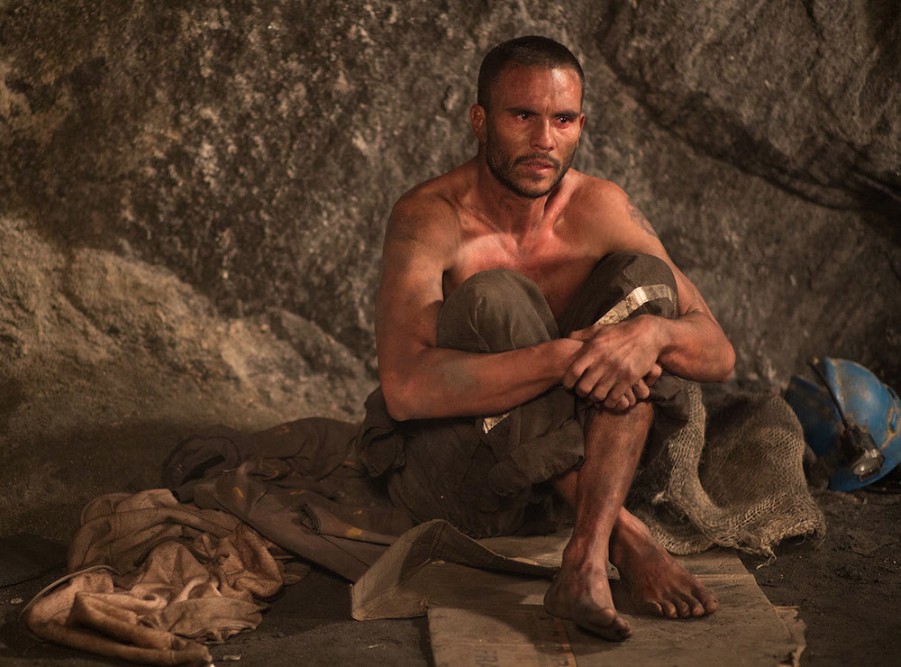
You portray a real person in “The 33,” as well. This time the person you are playing is still alive. How do you remain honorable to the real-life Dario, amidst creative liberties within the script? How do you navigate the sensitivity of the whole project?
JPR: With Dario it was even more complicated because the real life Dario and I come from two very different universes. The challenge was always to make my Dario believable. To make him belong in that mine and embrace his problematic personal life. I understood that his journey was one of forgiveness, and discovered that is something we can all relate to, no matter how different we are. And that is the beauty of art—it has the capability to overcome social and personal barriers of any kind.
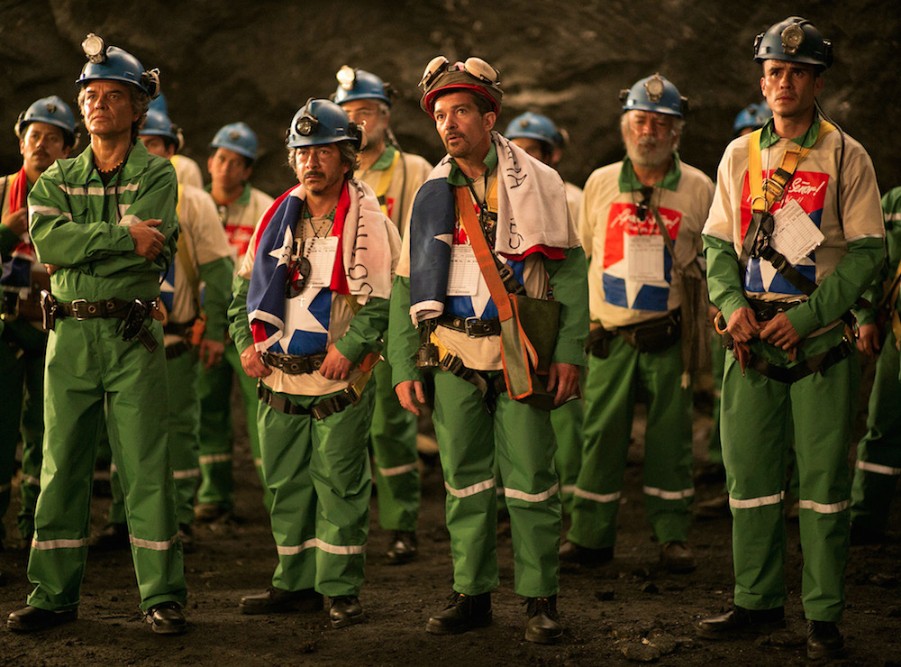
We heard that in preparation for the role, director Patricia Riggen had you and the other actors enter and experience real mines. Tell us about that.
JPR: Well, we shot in real mines. In the outskirts of Bogotá, there is a town called Nemocón. They have amazing mines there, and that was the place chosen to film. It was indeed scary, but helped us so much in our work because that element was very present and we never had to act it out. It was just there.
In “Narcos,” your character is Colombian. In “The 33,” you are Chilean. Being Colombian, having grown up in Spain and then lived in Argentina, I imagine your accent in Spanish is quite complex. How has living and working in countries with such specifically diverse accents helped inform the ways you act, linguistically and as a bilingual actor?
JPR: Every living experience helps, if you look and listen with attention. Growing up in such diverse cultures gives you more tools and a wider mind range. I love my heritage and I embrace it. I believe we have so many stories to tell. English is my second language, but American culture is something I have always been fascinated with. English-language music and cinema have been very important for me growing up, so I guess my ear has been trained to understand different ways of communication. It’s a matter of survival! (He laughs).
In the last decade, the role of the Latino and Latina character has been completely revitalized in English-language film and television. As a Latino actor working in English-language media, what are your thoughts on this?
JPR: I think the Latin quota is still very small. But, as you say, it’s getting better. The best part of it is that people now start to understand Latino culture through various TV and movie roles, and most of those roles are taking huge steps away from the cliché ones we all know about. That is very exciting to be a part of.
What’s been the most exciting part, for you, of the last year’s whirlwind of change?
JPR: Living this out with my family. Feeling my wife’s love and support. Living dreams I have been working on for so long—and understanding it’s just a few steps on a long road still ahead.
“Narcos” is a Netflix original series. The Blu-ray/DVD release date for “The 33″ is set for Feb. 16.
This originally appeared in Glass.